

A gin and tonic stands as one of the most beloved cocktails in the world. The mix of botanical gin and crisp tonic water creates a refreshing drink that people have enjoyed for over 150 years.
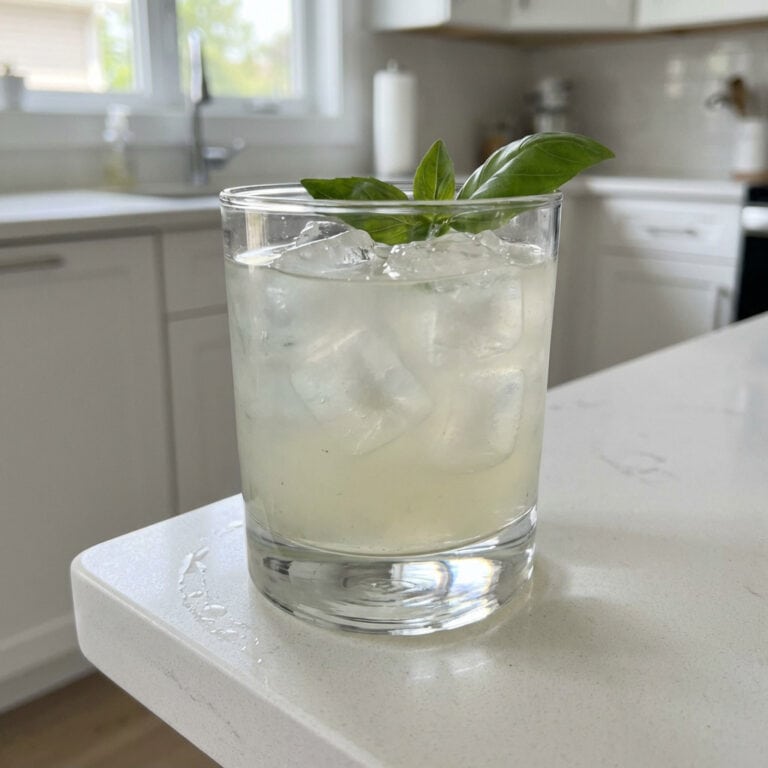
The classic recipe calls for 2 ounces of gin, 4-5 ounces of tonic water, a squeeze of fresh lime juice, and ice.
The drink started as a medical treatment in British colonial India. British soldiers mixed their daily dose of quinine tonic water with gin to make it taste better. The combination worked so well that people kept drinking it even after they no longer needed the medicine.
Today’s gin and tonic remains simple yet sophisticated. The drink works well for any occasion, from casual gatherings to formal events. Its clean taste and easy preparation make it a top choice for both new and experienced home bartenders.

Classic Gin Tonic Cocktail Recipe

Equipment
- Highball glass (12-14 oz)
- Bar spoon or cocktail stirrer
- Strainer (optional)
Ingredients
- 2 oz London dry gin
- 4-5 oz premium tonic water
- 1 lime wedge or wheel
- 4-6 large ice cubes
Optional garnish: cucumber slice, juniper berries, or fresh herbs
Instructions
- Fill highball glass with ice cubes to the top
- Pour 2 oz gin over the ice
- Add 4-5 oz tonic water slowly down the side of the glass
- Gently stir 2-3 times with bar spoon to combine
- Squeeze lime wedge over drink and drop it in
Add optional garnishes if desired
Notes
Tasting Notes
A classic gin and tonic offers bright, fresh flavors with a crisp, clean finish. The juniper notes from the gin create a pine-like taste that blends with the bitter quinine from the tonic water.
The citrus garnish adds a zesty aroma and light acidic touch. Fresh lime or lemon brings out the botanicals in the gin while balancing the sweetness of the tonic.
This cocktail starts with an initial burst of effervescence from the carbonation. The bubbles carry the gin’s herbal flavors across the palate.
Key flavor notes:
- Juniper (pine)
- Citrus (lime/lemon)
- Bitter quinine
- Light sweetness
- Herbal botanicals
- Crisp carbonation
The finish is dry and refreshing. Cold temperature enhances the drink’s brisk character and keeps the carbonation lively.
Different gin brands will highlight varied botanical blends. London Dry styles tend to be more juniper-forward, while modern gins may feature notes of cucumber, rose, or other herbs.
The quality of tonic water makes a big difference. Premium tonics use real quinine and less sugar, letting the gin’s subtle flavors shine through.



Great taste!